


We all know sleep is important for our overall health, but could the amount and quality of sleep you get also affect your risk of developing breast cancer?
New research found that poor sleep habits were associated with a 10% higher risk of developing breast cancer. This comes after research from the American Society of Clinical Oncology’s annual meeting earlier this year that found that insomnia may be associated with an increased risk of various early-onset hormonal cancers, including breast, uterine and ovarian cancers.
So, what’s the connection?
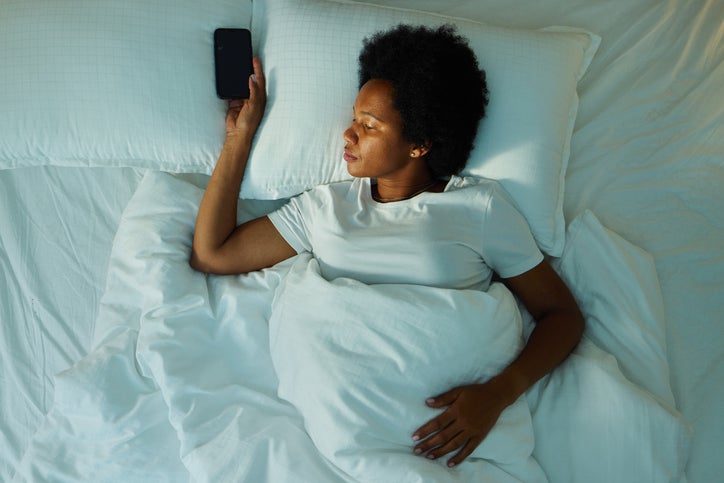
One piece of the puzzle may be light. Our bodies are designed to respond to the natural cycle of light and darkness. Exposure to bright light late at night — from phones, TVs, tablets, bright indoor lighting or even a brightly lit bedroom — can interfere with the body’s natural production of melatonin, a hormone that helps regulate sleep and our internal body clock. Long-term disruption of these processes could contribute to inflammation, hormonal changes or other biological changes involved in cancer development.
That doesn’t mean one bad night of sleep here and there should have you worried. The concern is more about chronic or significant sleep disruption, like ongoing insomnia, regularly sleeping too little, frequently changing sleep schedules or consistently having difficulty staying asleep. And it’s important to remember that sleep is just one potential factor among many when it comes to breast cancer risk. Family history, inherited genetic mutations, having dense breasts, your age (being over 50), and the age you went through puberty (before 12) remain the biggest risk factors.
Prioritizing healthy sleep is one more way to support your overall health. Aim for a consistent sleep schedule, create a relaxing bedtime routine, limit caffeine and alcohol close to bedtime, and make your bedroom comfortable and conducive to sleep.
If you regularly have trouble falling or staying asleep, wake frequently during the night or feel exhausted despite getting enough time in bed, talk with your healthcare provider. Persistent sleep problems are serious, and not only because better sleep can help you feel better, but because it may be an important part of protecting your long-term health.