
GLP-1s: What Your Eyes, Nails and Hair May be Telling You
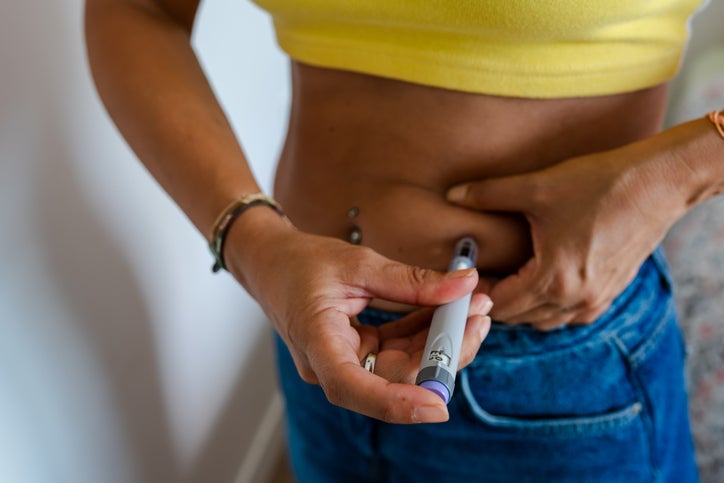
GLP-1 medications have made headlines for their role in managing Type 2 diabetes and supporting weight loss. But as their use continues to grow, researchers are discovering that their effects may extend beyond the number on the scale. Here's a closer look at what's emerging and what patients should know.
Changes in your nails. A new study has raised questions about a potential connection between GLP-1 medications and nail problems, including discoloration and onycholysis, a condition in which the nail separates from the nail bed. One possible explanation is nutrition. Because GLP-1 medications can reduce appetite, some people may struggle to consume enough protein, vitamins and minerals to support healthy hair and nail growth. Anyone noticing significant nail changes should discuss them with your doctor rather than assuming the medication is the cause.
Hair loss. Hair shedding is another concern reported by a growing number of patients and can sometimes be the reason they discontinue using these medications. Rapid weight loss can place stress on the body and trigger a temporary condition called telogen effluvium, which causes increased hair shedding. Reduced calorie intake and nutritional deficiencies may also contribute.
Researchers are investigating whether GLP-1 medications could have effects beyond those associated with weight loss alone. However, the evidence is still developing, and hair loss can have many causes. Maintaining adequate nutrition and discussing persistent or unusual shedding with your doctor can help patients determine the next steps.
Changes in your vision. Researchers are also investigating a possible association between semaglutide and a rare condition called non-arteritic anterior ischemic optic neuropathy (NAION). This condition occurs when blood flow to the optic nerve is disrupted and can cause sudden, painless vision loss, typically in one eye.
A recent review by the American Academy of Ophthalmology and the North American Neuro-Ophthalmology Society found a possible increased risk associated with semaglutide, although the overall risk remains low. People with diabetes may also have underlying eye-health risks that complicate the picture.
Sudden vision loss requires immediate medical attention. Anyone experiencing this symptom should seek urgent evaluation from an eye specialist. Patients should talk with their doctor about concerns regarding their medication rather than stopping treatment on their own.
GLP-1 medications can be an important part of managing certain chronic health conditions, but treatment should be about more than watching the scale. Eating a balanced diet, getting adequate protein and essential nutrients, attending regular follow-up appointments, and reporting new or unusual symptoms can help patients and their healthcare teams make informed decisions.