


Honey, You’re Wrong
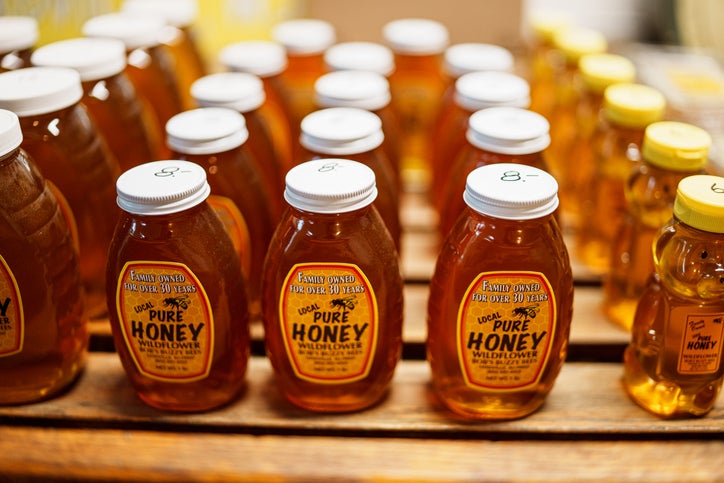
Every spring in Louisiana, the same advice starts making the rounds: “Just eat local honey. It’ll help your allergies.”
It’s a sweet idea. Unfortunately, it’s also a myth.
The theory sounds reasonable at first. Local honey contains small amounts of pollen from nearby plants, and the idea is that eating that pollen helps your body build immunity, similar to allergy shots. It’s a nice concept, but it doesn’t work that way.
Seasonal allergies are typically triggered by airborne pollen from trees, grasses, and weeds. These pollens are lightweight and travel easily through the air. The pollen found in honey, however, is usually heavier pollen from flowers, which is not the main cause of seasonal allergies. It is also present in very small, inconsistent amounts and is often altered during honey production. So even if you are eating local honey regularly, you are not getting meaningful exposure to the types of pollen that are actually causing your symptoms.
Studies looking at honey as a treatment for allergies have found no significant improvement compared to placebo treatments. In other words, people who ate honey did not experience fewer allergy symptoms than those who did not. That doesn’t mean honey is not beneficial. It can soothe a sore throat and is a great natural sweetener. It is just not an effective treatment for seasonal allergies.
If spring allergies are making you miserable, there are proven options that can help. Antihistamines can reduce sneezing and itching. Nasal steroid sprays can calm inflammation. Saline rinses can help clear pollen from your nasal passages. For long-term relief, allergy testing and immunotherapy may be worth discussing with a local rhinologist.