


The Return of the Flesh-Eating Screwworm
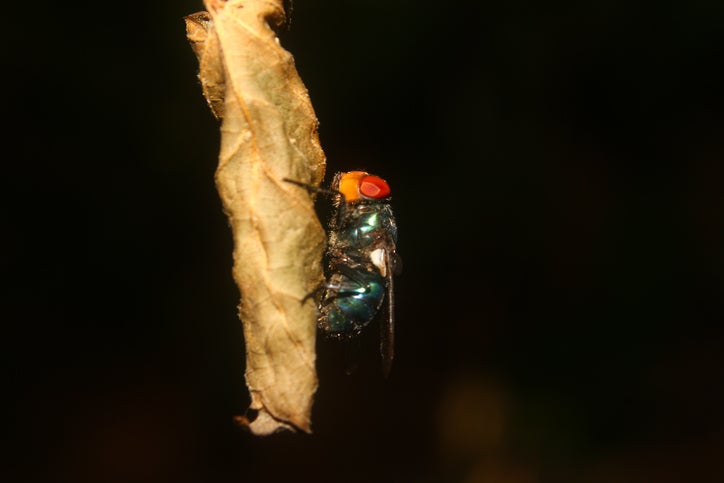
If you are squeamish, hold on tight! The new world screwworm (NWS), a flesh-eating parasite that was eradicated from the United States nearly 60 years ago, has been detected once again, raising concerns among ranchers, veterinarians and agriculture officials.
Despite its name, the screwworm isn't actually a worm. It's the larval stage of a parasitic fly. Female flies lay their eggs in open wounds or mucous membranes of warm-blooded animals. Once the eggs hatch, the larvae feed on living tissue, causing painful wounds and severe infections. If left untreated, infestations can be fatal.
While the parasite can affect a variety of animals, cattle are among its most common targets. A recent detection in a Texas calf has renewed concerns throughout the cattle industry after the pest steadily moved through Mexico over the past year.
For ranchers, the stakes are high. An outbreak could reduce cattle herds, increase veterinary costs and impact beef production. With beef prices already elevated, many are concerned that a widespread infestation could put additional pressure on the industry and consumers alike.
What Does This Mean for Consumers? For most, nothing! Although screwworm infestations can occur in humans, they are extremely rare. The parasite primarily affects livestock and wildlife, making the risk to the average person very low.
Consumers should also know that the screwworm does not make its way into beef sold at grocery stores. Animals entering the food supply undergo inspection processes, and infected animals would not be approved for consumption.
This isn't the first time the U.S. has faced the new world screwworm. Federal officials successfully eradicated the pest in the 1960s using a unique strategy that is being deployed again today. The plan involves releasing millions of sterile male screwworm flies into affected areas. Because female screwworm flies only mate once during their lifetime, mating with a sterile male means any eggs they lay will not hatch. Over time, the population declines until it eventually disappears.
The biggest impact consumers may notice is at the checkout line. If outbreaks become widespread and cattle production is affected, beef prices could rise even further. However, agriculture officials are working aggressively to contain the parasite before it can gain a stronger foothold.