


When it comes to showering, everyone has a preference. Some people swear by a washcloth, others won't shower without a loofah, and plenty of people simply use their hands. But is one method actually better than the others?
The good news is that all three can effectively clean your skin. You don't need a washcloth or loofah to get clean, and using your hands with soap and water is just as effective for removing dirt, sweat and oils.
That said, dermatologists often recommend using your hands, especially if you have sensitive skin. Washcloths and loofahs provide physical exfoliation, which can be beneficial occasionally but may be too abrasive when used every day. Over-exfoliating can weaken your skin's protective barrier, leading to irritation, dryness and increased sensitivity.
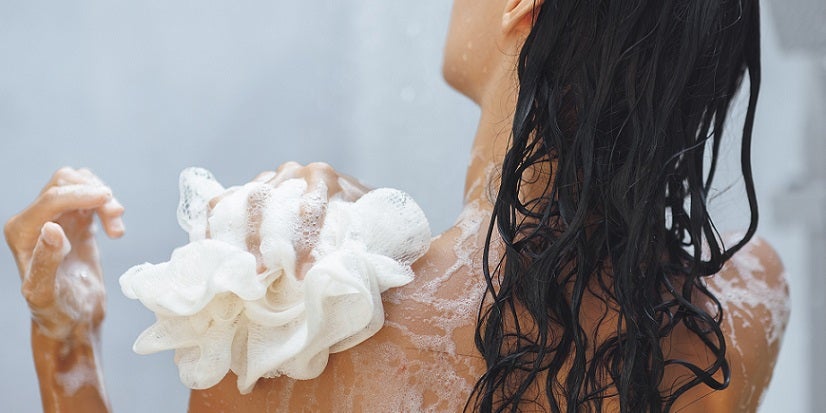
If you do prefer a loofah, it's worth knowing there are two main types. The familiar mesh loofahs made from nylon or polyester are the most common, while natural loofahs are made from the dried fibers of the luffa plant. Both can cleanse your skin effectively, but they require proper care.
Because loofahs are often left damp in the shower, they can become breeding grounds for bacteria, mold and mildew if they aren't cleaned regularly. After each use, rinse your loofah thoroughly and allow it to dry completely outside of the shower whenever possible. Once a week, disinfect it by soaking it in a diluted vinegar or bleach solution, then rinse well and let it air dry. Natural loofahs should be replaced every three to four weeks, while synthetic mesh versions typically last six to eight weeks before they should be thrown away.
Washcloths are another good option, but they also need to be washed after each use to prevent bacteria from building up.
For most people, the healthiest approach is to use your hands for daily washing and save the washcloth or loofah for occasional exfoliation. This routine helps protect your skin barrier while still removing dead skin cells when needed.
In the end, getting clean isn't about the tool you use - it's about using soap, rinsing thoroughly and practicing good hygiene. Your hands can do the job just as well, with less risk of irritating your skin.