

Should Everyone be Microdosing GLP-1s?
Microdosing GLP-1s -- using small amounts to reap the same or similar benefits -- has gained popularity, and some online conversations suggest it could be beneficial for a much broader demographic. One doctor went so far as to say everyone should be microdosing them for overall better health, but is there truth to these claims?
GLP-1 medications mimic a hormone that helps regulate blood sugar and appetite and have been used to treat type 2 diabetes for many years, and more recently, approved for weight loss. In addition to working very well for weight loss, they have been shown to lower blood pressure, improve lipid disorders and fatty liver disease, and reduce the risk of heart and kidney disease.
A doctor and a patient working together to adjust the dosage of a medication is not a new practice, but microdosing GLP-1 medications is a different animal. Let’s break it down.
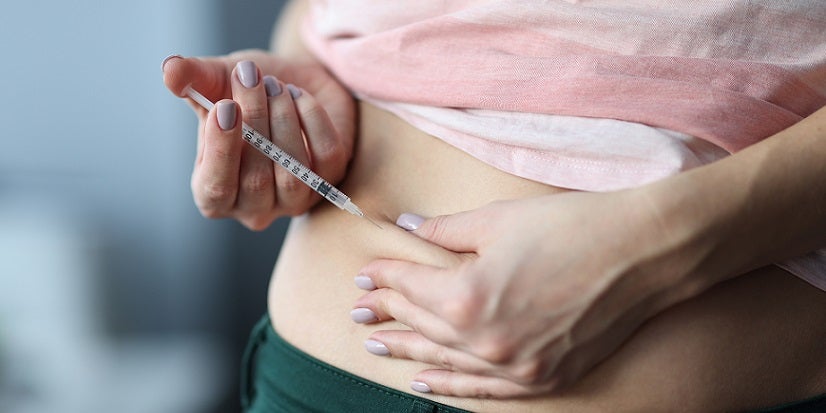
If you’re taking a microdose you’re probably using a compounded version of the FDA-approved Ozempic, Wegovy, Mounjaro, or Zepbound. Most of the FDA-approved versions come as an injectable pen with precise dosing, whereas the compounded counterparts come in a vial with a syringe, allowing you to draw out the dose yourself. Microdosing is considered off-label use and it’s not clear whether it’s safe or effective, since it hasn’t gone through same testing.
Still, compounded versions gained traction in 2022 when there were shortages of the drugs, and they are still going strong for a few main reasons:
• Some people encounter some pretty rough side effects like nausea and diarrhea, so microdosing can be a way to avoid those issues while still reaping some benefits.
• Others have used microdosing as a cost-savings measure to make the meds last longer.
• Some people have lost a significant amount on the standard dose and want to maintain.
• Some people want to lose a small amount of weight and feel microdosing could be the right option.
But what about microdosing for overall better health or to reduce your risk, even if you don’t have any or much weight you want to lose? There aren’t any official standards or guidelines on microdosing, as it’s not backed by the FDA, so there is no magic number that may work for one person versus another. While it might be tempting to try “just to see,” don’t go rogue. Talk to your doctor before starting any medication.
Researchers have already documented the benefits of GLP-1s beyond weight loss, and the list is growing. Doctors may prescribe it for high cholesterol if it helps address an obesity-related medical condition, though that is currently considered off-label use. And GLP-1s were recently approved to treat MASH, an inflammatory form of fatty liver disease, and are being studied for the cognitive benefits in Parkinson’s patients. But, this research doesn’t look at compounded versions, so it’s too soon to tell if the same benefits apply. In the meantime, talk to doctor about your health goals, potential dosing and cost, and any concerns you have surrounding the conversation.