


Sleep Apnea Could Double Risk of Parkinson's
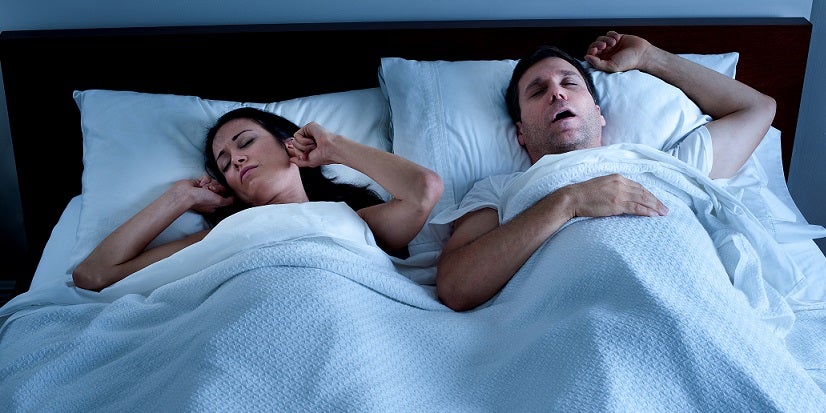
A new study should give you one more reason to take you or your partner’s snoring seriously. Researchers have found that people with untreated obstructive sleep apnea (OSA) have a higher risk of developing Parkinson’s disease, a life-changing neurological disorder.
OSA happens when your airway repeatedly collapses during sleep, cutting off airflow for a few seconds at a time. Your brain senses the drop in oxygen and jolts you awake just enough to reopen your airway. You may not remember these “micro-awakenings,” but your body definitely does.
Night after night, this cycle can affect the brain. Researchers aren’t exactly sure of the “why,” but lower oxygen levels and sleep disruption are likely to blame for the increased Parkinson’s risk. Parkinson’s affects the way the brain controls movement. People often first notice a slight tremor, stiffness, or trouble with balance, and over time, simple things like buttoning a shirt, walking steadily, writing clearly, or even speaking can become difficult. It also affects non-movement symptoms like sleep, mood, memory, and blood pressure.
So how do you know if you have OSA? The tricky part is that sleep apnea doesn’t always look like a dramatic gasping-for-air moment. Loud snoring is a classic sign, but the symptoms can be a little sneaky. You might wake up with morning headaches or a dry mouth. You might feel exhausted even after eight hours in bed. You may notice trouble focusing, mood changes, irritability, or nodding off in the afternoons. Some people toss and turn all night without knowing why. Others find their partner complaining more than they do.
If any of this sounds familiar, don’t brush it off. OSA is treatable, and getting help can make a huge difference in how you feel -- and possibly protect your long-term brain health. Start by talking to your primary care provider. They can help determine if you need a sleep study, which is often easier and more comfortable than people expect. And if treatment is needed, there are multiple effective options these days. Remember that sleep isn’t a luxury; it’s one of the body’s biggest repair jobs, and when that job keeps getting interrupted, things can get complicated.