


Walk through any hospital unit, and you’ll see a lot of activity like monitors beeping, physicians rounding, families asking questions, and care teams moving quickly from room to room. Beyond the obvious tasks and routines, nurses are constantly observing, interpreting, and connecting small details that others might miss. These observations often make the difference between a stable patient and a patient whose condition is about to change. Here are just a few of the things nurses notice that others don’t and why they matter.
Subtle Changes in Patient Condition
Long before alarms sound or vital signs fall outside normal ranges, nurses often notice when something feels off with a patient. Nurses spend extended time at the bedside, which allows them to recognize patterns and deviations. They know what “normal” looks like for each patient, making it easier to identify early warning signs. These subtle observations often lead to quicker interventions and better outcomes.
Patterns, Not Just Data
Healthcare generates a constant stream of data, labs, vitals, assessments, and notes. While each data point is important, nurses are trained to look beyond individual numbers and see the bigger picture. They connect trends over time. Instead of reacting to isolated values, nurses interpret how multiple factors interact. This ability to recognize patterns is a key part of clinical judgment and is often developed through experience.
Workflow and Team Dynamics
Beyond individual patients, nurses are constantly aware of what is happening across the unit. They recognize when a colleague is overwhelmed, when the pace of the floor is shifting, or when a situation may require extra support. This awareness allows teams to function more effectively. Nurses step in to help one another, redistribute workload when needed, and communicate changes quickly. Strong teams rely on this shared awareness to maintain patient safety, especially during high-pressure moments.
Much of what nurses do happens quietly. It is not always captured in charts or recognized in real time, but it plays a crucial role in patient safety and quality of care. The ability to notice what others don’t comes from a combination of training, experience, critical thinking, and presence at the bedside. It is one of the many ways nurses serve as the eyes and ears of the healthcare team.
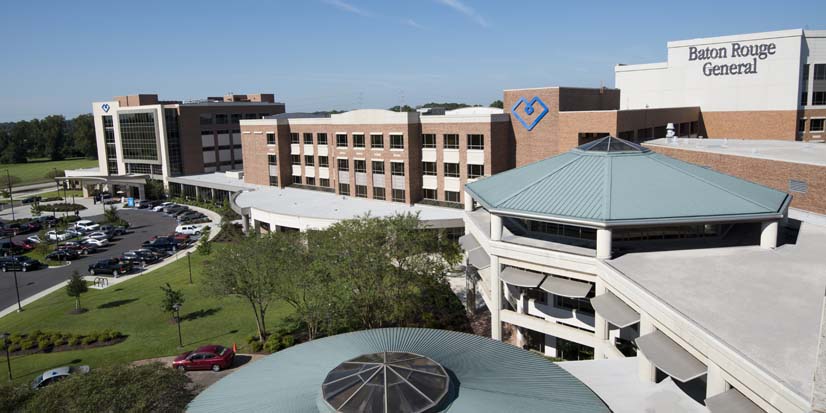
At Baton Rouge General, nurses are an essential part of the care team, using their expertise and attention to detail to support patients and families every day. If you’re looking to practice in an environment that values clinical judgment, teamwork, and high-quality care, explore current nursing opportunities at BRG.