


What Sugary Drinks May Be Doing to Teen Mental Health
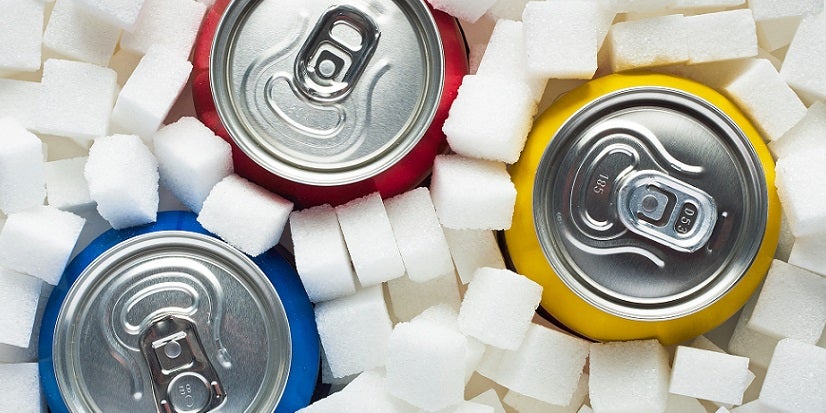
It’s well known that diets high in refined sugar can lead to a long list of health problems, including weight gain, tooth decay, chronic inflammation, diabetes, obesity, and heart disease. But emerging research is beginning to explore another potential consequence of high sugar consumption: its impact on mental health, particularly among adolescents and young adults.
A recent study took a closer look at the relationship between sugar-sweetened beverages and anxiety in teens. Researchers found that adolescents whose diets regularly include sugary drinks are 34% more likely to experience anxiety symptoms compared to those who consume them less often.
The growing popularity of energy drinks, specialty coffee beverages, flavored teas and other sweetened drinks may be contributing to the problem. Many of these beverages contain extremely high amounts of added sugar, which can cause rapid spikes in blood sugar levels followed by dramatic crashes. These fluctuations can affect mood, energy levels and stress responses, potentially contributing to feelings of anxiety.
Researchers from Bournemouth University in the United Kingdom analyzed data from nine separate studies and identified a significant correlation between sugar-sweetened beverage consumption and anxiety in adolescents. Their findings represent the first large-scale analysis linking these beverages specifically to anxiety symptoms in young people. The researchers emphasize that more studies are needed to fully understand how diet affects mental health, but they note that the evidence highlights the need to examine how sugar-heavy foods and drinks may influence emotional wellbeing.
This research comes at a time when anxiety disorders among adolescents have been steadily increasing. While many factors contribute to rising mental health concerns including social pressures, technology use and academic stress, diet is increasingly being recognized as an important piece of the puzzle.
According to the CDC, about 60% of youth consume at least one sugar-sweetened beverage every day. These drinks include sodas, sports drinks, energy drinks, sweetened iced teas, flavored milks, coffee beverages, juices, and lemonade. Many of these beverages are often marketed as refreshing, energizing or even performance-enhancing, especially for teens involved in sports or extracurricular activities.
However, these drinks are often considered “empty calorie” foods because they provide large amounts of calories without meaningful nutritional value. For example, a 12-ounce can of soda contains about 39 grams of added sugar, while many energy drinks of the same size can contain 41 grams or more.
These beverages are absorbed very quickly by the body, leading to rapid increases in blood sugar followed by sharp drops. These fluctuations can trigger fatigue, irritability and difficulty concentrating. Over time, this repeated cycle of sugar spikes and crashes may contribute not only to physical health concerns, but also to mood instability and increased anxiety.
When sugary drinks are combined with diets high in ultra-processed foods, like chips, cookies, white breads and crackers, the amount of added sugar and refined carbohydrates can add up quickly. Many people may unknowingly consume far more sugar than recommended in a single day.
Reducing sugar-sweetened beverages doesn’t mean giving up enjoyable drinks altogether. Swapping sugary beverages for water, sparkling water, unsweetened teas, or drinks with little to no added sugar can help stabilize blood sugar levels and support overall health. For young adults in particular, small dietary changes can make a meaningful difference in both physical and mental wellbeing.
As research continues to explore the relationship between diet and mental health, one message is becoming increasingly clear: what we drink may be just as important as what we eat when it comes to supporting a healthier body and a healthier mind.