


When Should You Worry About Peeing During the Night?
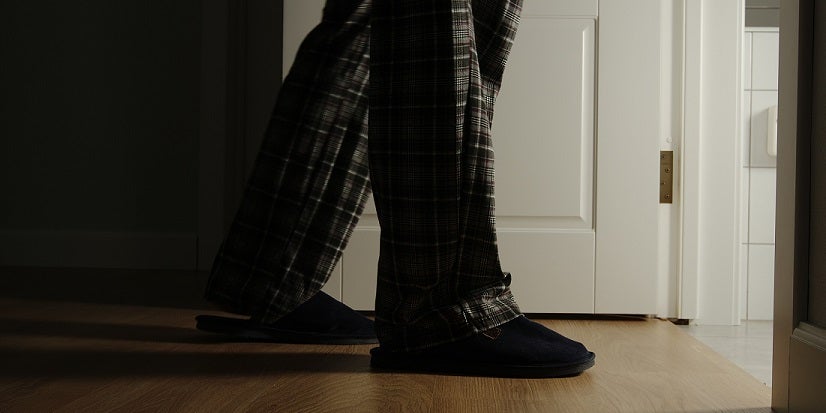
Nighttime peeing (the official medical term is nocturia) is incredibly common, especially as we get older, but how do you know what’s typical, what’s a red flag, and what you can actually do about it?
While a healthy bladder is designed to let most adults sleep through the night without a bathroom break, there are a lot of variables that can get in the way of that full peaceful night.
Some of these variables aren’t in our control, like age, which naturally reduces how much your bladder can hold, pregnancy changes, and taking medications like diuretics. Others can be managed or improved, like hormone shifts during and after menopause, bladder or prostate conditions, and insomnia or sleep apnea. And some require better planning, like not drinking as much in the evening.
Even with all of these elements at play, there’s still a general rule of thumb for peeing during the night:
- Zero or 1 trip: Pretty typical for healthy adults
- Two trips: Common as you age, but still something you can likely improve.
- More than 2 trips: A good time to start paying closer attention.
It’s important to remember that if you wake up then notice you have to pee, sleep may be the root problem, not your bladder.
But if you’re getting up 3 or 4 times regularly, that’s definitely a reason to talk with your doctor about what could be going on. This is especially true if your nighttime peeing is making you exhausted or if you’ve noticed other symptoms like burning, urgency, pain or trouble starting your stream.
If you are tired of getting up to pee during the night, try these tips:
- Drink normally during the day, then slow down after dinner.
- Cut caffeine after 2 p.m.
- Reconsider alcohol at night (it’s a diuretic, so it tells your body to make more urine)
- Elevate your legs before bed to help shift fluid earlier in the night
- Use the bathroom right before you get in bed
- Keep an eye on salt (too much can increase fluid retention during the day, which your body releases at night)
- Treat underlying sleep issues
A quick visit with your primary care doctor or urologist can reveal whether it’s something simple like hydration habits or something that needs treatment. Peeing too much at night could point to bladder infections, prostate enlargement, overactive bladder, untreated diabetes, sleep apnea, heart issues, or other conditions worth checking out — all treatable, especially when caught early.