


Maybe the divas with their silk eye masks were right all along.
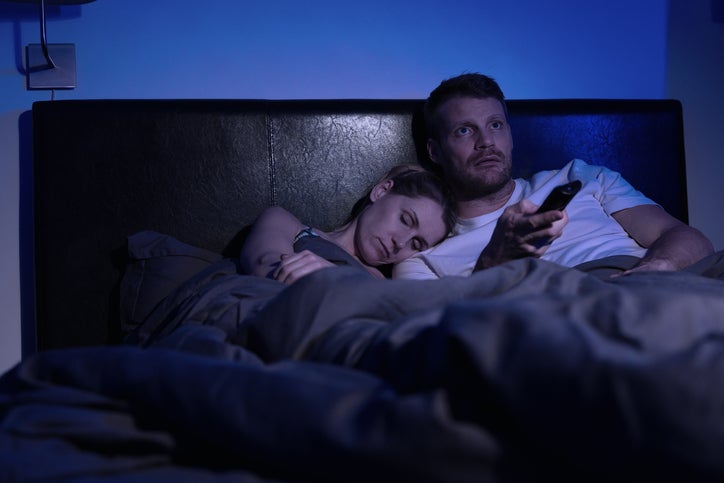
New research suggests that sleeping with light in your bedroom could be bad for your heart. And we're not just talking about leaving the overhead lights on. Even light from a television, hallway or glowing electronics may interfere with your body's natural sleep cycle.
A 2025 study showed that people exposed to the most light at night had a 47% higher risk of heart attack and a 56% higher risk of heart failure. They also had a 28% higher risk of stroke.
Our bodies follow a natural 24-hour cycle called our circadian rhythm. Light tells our brains when it's time to be awake, while darkness signals that it's time to rest. Exposure to light at night can disrupt that rhythm, potentially affecting blood pressure, heart rate and other functions important to heart health.
You don't need to panic over the occasional sliver of moonlight, but making your bedroom darker is a simple habit worth trying.
Fortunately, that's pretty easy to do.
- Turn off the television before falling asleep.
- Cover or unplug electronics with glowing or blinking lights.
- Use blackout curtains to block streetlights and other outdoor light.
- Keep hallway and bathroom lights off when they're not needed.
- Consider a comfortable sleep mask.
So go ahead. Channel your inner diva, put on that silk eye mask and get some sleep.
Your heart may thank you.