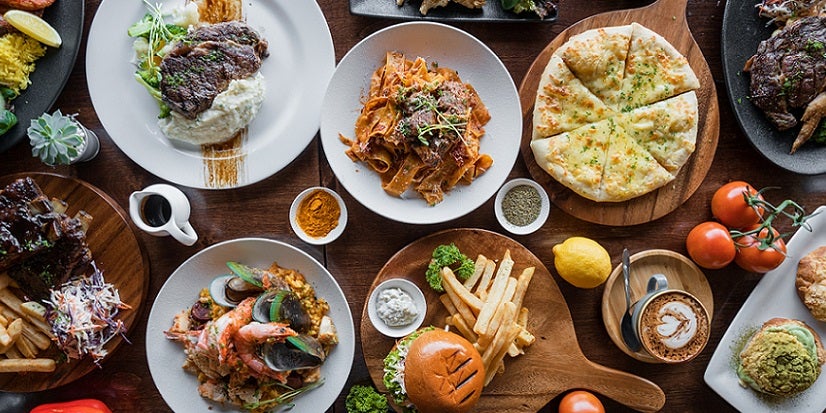
What you eat doesn’t just fuel your day, it directly affects the health of your colon. Certain foods are known to increase inflammation in the body, and chronic inflammation has been linked to a higher risk of developing colorectal cancer. These foods include red meat, processed meats, white bread and refined grains, and sugary beverages.
While avoiding inflammatory foods doesn’t guarantee that you won’t develop cancer, consistently making healthier choices can significantly lower your risk over time.
To understand why diet plays such an important role, it helps to look at what the colon actually does. The colon’s primary job is to process waste after the intestines absorb nutrients from the food you eat. It removes excess water and salt, compacting indigestible material into stool. Because it is the final stop in digestion, the colon is exposed for extended periods to whatever byproducts are created from the foods you consume. So what you regularly put into your body directly affects the environment inside your digestive tract.
Although colorectal cancer rates have declined overall thanks to earlier detection and improved treatments, it remains the second leading cause of cancer deaths in the United States. According to the American Cancer Society, one in five colorectal cancer diagnoses now occurs in people under age 55. Even more concerning, it is currently the leading cause of cancer death in men under 50 and the second leading cause in women under 50. This shift toward younger adults underscores why lifestyle factors, including diet, deserve serious attention.
So, what exactly happens inside the body when we regularly consume certain foods?
Take processed meats, for example. These include any meats preserved by curing, smoking, salting, or adding chemical preservatives such as hot dogs, bacon, sausage, deli meats, and pepperoni. The International Agency for Research on Cancer classifies processed meats as Group 1 carcinogens, meaning there is strong evidence that they cause cancer. That places them in the same category as tobacco and asbestos.
The reason lies in the chemistry. Nitrates and nitrites, commonly used to preserve processed meats, can convert in the digestive tract into carcinogenic compounds called nitrosamines. In addition, cooking meats at high temperatures such as grilling or frying produces chemicals known as heterocyclic amines (HCAs) and polycyclic aromatic hydrocarbons (PAHs), both of which can damage DNA in colon cells. Over time, repeated DNA damage increases the likelihood of abnormal cell growth.
Similarly, frequent consumption of red meat, including beef, pork, and lamb, has also been linked to a higher risk of colorectal cancer. Red meat contains a form of iron called heme iron, which can promote the formation of harmful compounds in the gut. When cooked at high temperatures, it produces many of the same cancer-causing chemicals found in processed meats. Diets high in red meat are often lower in protective plant-based foods, which further reduces the body’s natural defenses.
Beyond meat, sugary beverages and high-sugar diets also contribute to risk, though in a different way. Sodas, sweet teas, and energy drinks spike blood sugar and insulin levels. Over time, consistently high insulin levels can increase insulin-like growth factors, hormones that may encourage tumor growth. Excess sugar intake is also strongly linked to obesity, which is a known risk factor for colorectal cancer. Additionally, high-sugar diets can disrupt the balance of beneficial bacteria in the gut, promoting inflammation and creating an environment where cancer cells are more likely to develop.
At the same time, what’s missing from many modern diets may be just as important as what’s included. Diets low in fiber, often due to high intake of refined grains like white bread, white rice, and processed snacks, are consistently linked to higher colorectal cancer risk. Fiber helps move waste efficiently through the colon, reducing the amount of time potential carcinogens remain in contact with the colon lining. It also feeds beneficial gut bacteria, which produce short-chain fatty acids such as butyrate that help protect and repair colon cells. Without enough fiber, digestion slows, inflammation can increase, and the protective balance of the gut microbiome may be disrupted.
Of course, diet is only one piece of the puzzle. Genetics, physical activity, smoking, alcohol use, obesity, and screening history all play important roles in your risk for colorectal cancer. But, diet is one factor you can influence every single day. Increasing your intake of fruits, vegetables, whole grains, beans, nuts, and seeds while limiting processed meats, red meat, refined grains, and sugary drinks can help create a healthier internal environment for your colon.
For Gen Z and Millennials, this message is especially important. Colorectal cancer is no longer considered an “older adult” disease. Younger adults are being diagnosed at rising rates, making awareness and prevention critical. Know your family history. A colonoscopy starting at age 45 is the standard, but could be recommended earlier. Pay attention to symptoms such as persistent changes in bowel habits, rectal bleeding, unexplained weight loss, or ongoing abdominal discomfort. Protecting your colon starts long before symptoms appear and it often begins with what’s on your plate.