



Related News & Blogs
October 15, 2026
GLP-1s: What Your Eyes, Nails and Hair May be Telling You
GLP-1 medications have made headlines for their role in managing Type 2 diabetes and supporting weight lo...
Baton Rouge General offers both surgical and nonsurgical weight loss options to help patients work toward their weight loss goals. Whether you're considering weight loss surgery or prefer a medical approach, our team can help you understand your options and determine a plan based on your health, medical history and individual needs. Weight loss treatment is not one-size-fits-all. Our team provides guidance and support to help you take the next step, from exploring available options to making nutrition and lifestyle changes and maintaining long-term progress.
Weight Loss Surgery
Weight loss surgery can be an effective option for people who have struggled to achieve lasting weight loss through traditional approaches. Baton Rouge General offers several bariatric procedures that work in different ways by changing the size of the stomach, the digestive process or both. Our care team will guide you through this important decision based on personal factors, including your weight, overall health, other medical conditions, National Institutes of Health (NIH) guidelines and personal preferences.
Explore Your Weight Loss Surgery Options
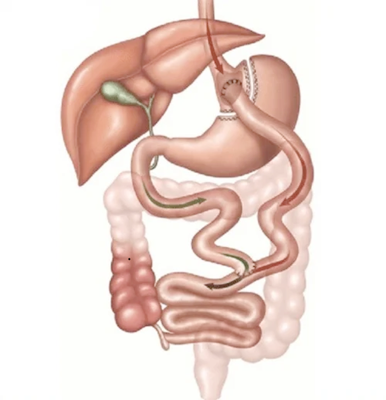
Roux-en-Y Gastric Bypass
Gastric bypass is one of the most frequently performed weight loss surgery procedures in the United States. It combines a smaller stomach pouch with changes to the digestive system to help limit food intake and affect nutrient absorption. During gastric bypass surgery, the surgeon creates a small pouch at the top of the stomach using surgical staples. The rest of the stomach remains in the body but is separated from the new pouch. Food travels from the pouch directly into a lower portion of the small intestine, bypassing the first section of the small intestine.
The bypassed section is then reconnected farther down the small intestine, creating a Y-shaped connection known as Roux-en-Y. This changes the way food moves through the digestive system and mixes with digestive juices. The smaller stomach pouch helps patients feel full after eating smaller amounts of food. Changes to digestion and nutrient absorption also contribute to the procedure's effects on weight loss.
Sleeve Gastrectomy
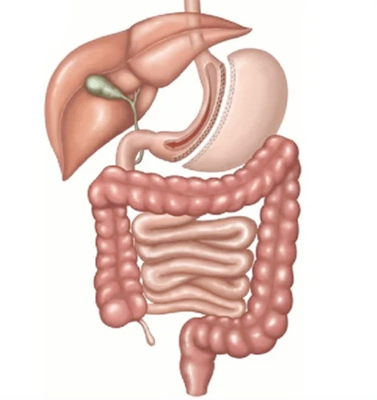
Sleeve gastrectomy, also known as gastric sleeve surgery or vertical sleeve gastrectomy is the most common weight-loss surgery procedure. It reduces the size of the stomach while leaving the small intestine in its normal pathway. During the procedure, the surgeon staples and removes a large portion of the stomach, leaving a smaller, banana-shaped or sleeve-shaped stomach. This reduces the amount of food the stomach can hold at one time.
The digestive system remains largely intact because food continues to travel through the small intestine along its normal route. Changes to the stomach's size and hunger-related hormones contribute to the procedure's effect on food intake and weight loss. Because a portion of the stomach is permanently removed, sleeve gastrectomy cannot be reversed.
Duodenal Switch
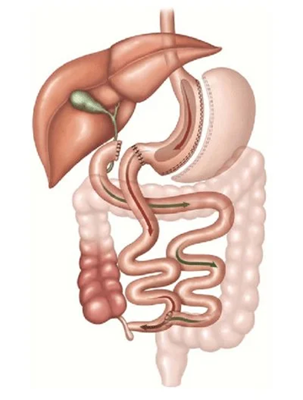
Duodenal switch surgery modifies both the stomach and small intestine. It combines a sleeve gastrectomy, which removes a portion of the stomach, with an intestinal bypass that shortens the path food takes through the digestive system. By reducing stomach capacity and changing how food moves through the intestines, the procedure affects both food intake and nutrient absorption. It can also affect hunger-related hormones produced by the stomach and small intestine. There are two main forms of duodenal switch surgery:
Biliopancreatic diversion with duodenal switch (BPD/DS)
This is the original form of duodenal switch surgery. It combines sleeve gastrectomy with a more extensive intestinal bypass, changing how food mixes with digestive juices and how nutrients are absorbed.
Single-anastomosis duodeno-ileal bypass with sleeve gastrectomy (SADI-S)
Also known as a loop duodenal switch, SADI-S combines sleeve gastrectomy with a different intestinal connection. This approach was developed to simplify some aspects of the original duodenal switch procedure.
Medical Weight Loss
Surgery isn't the only option for people seeking help with weight management. Our team also offers a medical weight loss program for patients who prefer a nonsurgical approach or need additional medical guidance. The program combines medical assessment, nutrition counseling, medication when appropriate and ongoing support to help patients work toward their weight loss goals.
What to Expect
Personalized Assessment
Our care team reviews your medical history, lab results, lifestyle habits and weight loss goals to help determine an approach tailored to your needs.
Nutrition Counseling
Dietitians provide personalized nutrition guidance based on your health, preferences and dietary needs. A customized meal plan can help you build eating habits that support your goals.
Medication Management
If needed, our team may prescribe medication to assist with your weight loss goals that includes:
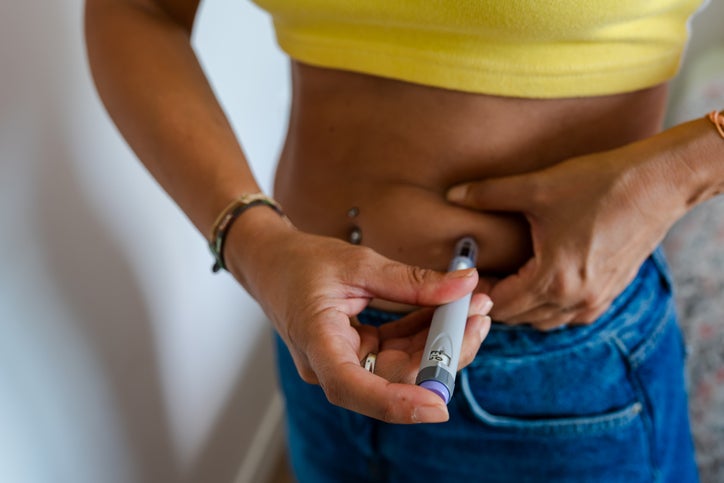
- Injectable Medication - Ozempic, Mounjaro
- Oral Medication- Metformin, Phentermine
Ongoing Support and Follow-Up
Regular appointments and progress tracking help your care team monitor your progress, address challenges and adjust your plan as needed.
Become a Patient
Ready to take the next step toward your weight loss goals? Our team is here to answer your questions, help you explore your options and guide you through getting started. Call (225) 763-4903 or complete the form below, and a member of our team will follow up with you.
Find a Doctor


Drake Bellanger, MD
Obesity Medicine +2 more

BRG Select Provider

Alicia Brand, PA-C
Bariatric Surgery +1 more
BRG Select Provider
Locations
-
 Location details: Louisiana Center for Bariatrics
Clinics +2 more
Louisiana Center for Bariatrics
8585 Picardy Avenue, Suite 510 Entrance 2 - Baton Rouge, LA 70809